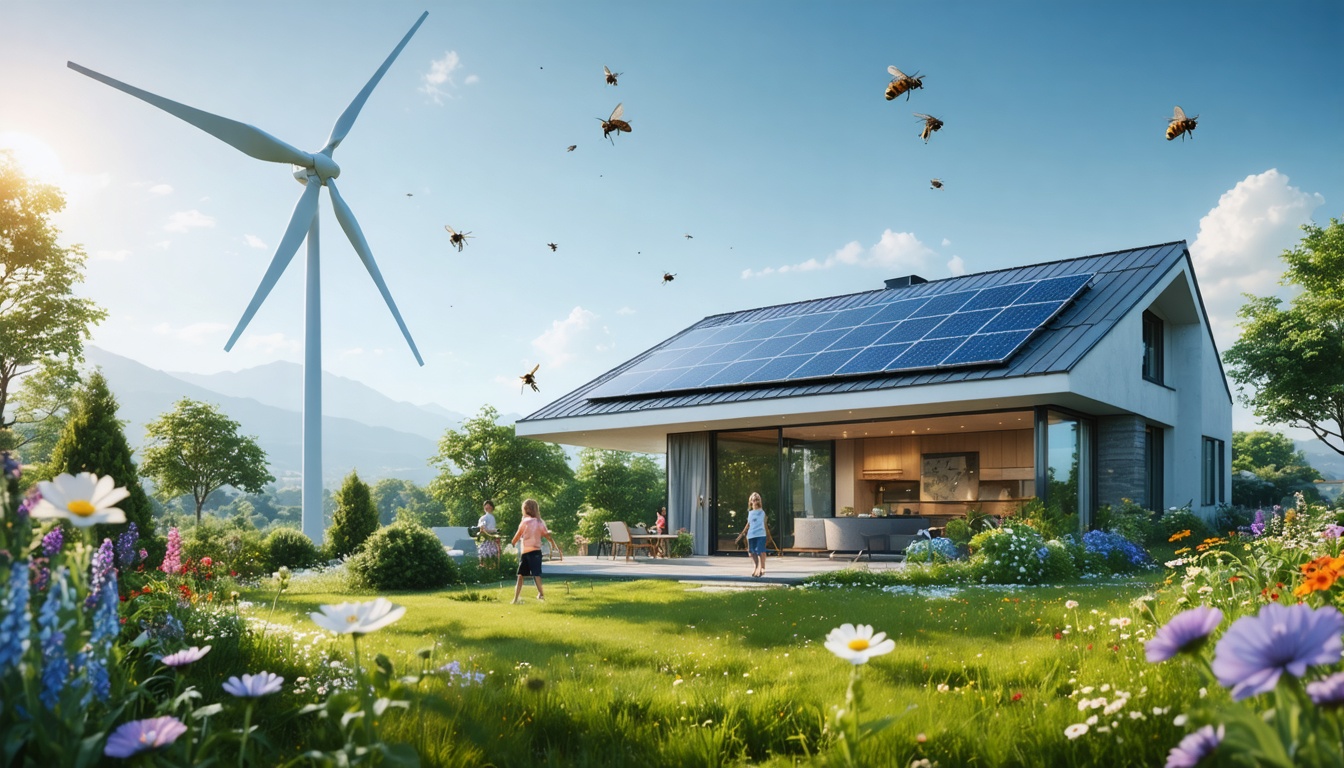
The Environmental Benefits of Choosing Renewable Energy at Home
Switching to renewable energy at home has both economic and environmental implications. By opting for clean energy sources such as solar or wind, homeowners can reduce their monthly utility bills while simultaneously decreasing their carbon footprint. Renewable energy sources contribute to lower levels of air and water pollution, which is beneficial to both human health and local ecosystems. Furthermore, the transition to renewable energy can impact natural resources and wildlife positively. Traditional energy generation methods, particularly fossil fuels, often result in habitat destruction and increased greenhouse gas emissions. In contrast, renewable energy technologies generally have a smaller environmental footprint, as they tend to require less land and water and produce fewer harmful emissions. Additionally, the choice to use renewable energy can influence local economies. Investment in renewable energy infrastructure can create jobs and stimulate economic growth in the community. This shift may lead to enhanced energy independence and resilience, reducing reliance on imported fuels. Overall, the adoption of renewable energy at the individual level can contribute to broader environmental and community benefits, supporting a transition towards a more sustainable energy system.
What Is Renewable Energy and How Does It Work?
Renewable energy is sourced from naturally replenishing resources such as solar, wind, and biomass. These sources are recognized for their sustainability and reliability. Technologies including solar panels, wind turbines, and heat pumps are utilized to capture and convert this energy, facilitating electricity generation while contributing to reductions in carbon emissions on both individual and community scales.
One of the key features of renewable energy sources is their low to negligible emissions of greenhouse gases during operation. This aspect can lead to improved air quality and a decrease in air pollution levels. As nations such as the United States move away from fossil fuels, they are adopting comprehensive strategies for climate action that emphasize the importance of cultivating a sustainable economy and aiming for net-zero emissions.
The growth of wind power, the establishment of clean energy supply chains, and the provision of tax incentives are crucial factors that contribute to job creation in the renewable energy sector.
Simultaneously, these initiatives work towards decreasing carbon dioxide emissions. Collectively, these elements highlight the role renewable energy can play in addressing environmental challenges posed by conventional energy sources.
Reducing Greenhouse Gas Emissions Through Home Energy Choices
Exploring alternatives to traditional energy sources can contribute to a notable reduction in greenhouse gas emissions. For those considering solar solutions, companies like Paterson Solar Installation Services provide expert installation services that enable homeowners to lessen their dependency on fossil fuels for electricity and heating. This transition aligns with broader sustainability efforts aimed at reducing annual carbon dioxide emissions and moving towards Net Zero objectives.
The adoption of cleaner energy sources derived from natural resources has implications not just for individual households, but also for national and global carbon emission levels. When a greater number of homes implement renewable energy systems, it can assist countries like the United States in lowering their collective carbon footprint.
Transitioning to clean electricity generation may also offer economic benefits, including job creation and tax incentives linked to investments in renewable technologies. Studies have shown that clean electricity production can emit significantly fewer greenhouse gases—up to three times less—when compared to conventional fossil fuel sources.
This difference is critical in addressing climate change effectively.
In summary, these home energy choices present a viable strategy for mitigating environmental impact while simultaneously contributing to economic growth.
Improving Air Quality and Public Health
While climate change is commonly emphasized as a key reason for transitioning to clean energy, the benefits of this transition encompass several dimensions, particularly its influence on urban air quality. Air pollution, largely resulting from fossil fuel combustion, is responsible for approximately 7 million premature deaths each year across the globe.
Transitioning to renewable energy sources—such as wind, solar, and heat pumps—results in a significant reduction of harmful emissions, including carbon dioxide and other greenhouse gases. This reduction not only contributes to improved air quality but also has important implications for public health. The relationship between cleaner energy and health outcomes is well-documented, with reduced air pollution associated with lower rates of respiratory diseases, cardiovascular issues, and other health complications.
In addition to health benefits, the shift toward sustainable energy generation can also stimulate job creation and economic growth. Investments in renewable energy technologies often lead to new employment opportunities in manufacturing, installation, and maintenance sectors, thereby supporting local economies.
Furthermore, the increased adoption of cleaner fuel sources and electric vehicles has the potential to lower carbon emissions further, enhancing public health outcomes by reducing exposure to harmful pollutants.
Overall, the impacts of clean energy adoption highlight its significance not only for climate change mitigation but also for enhancing community health and well-being through improved air quality.
Renewable Energy’s Role in Enhancing Local Biodiversity
Utilizing clean energy systems in residential settings can lead to reductions in carbon emissions, which have important implications for local ecosystems. The transition to renewable energy sources, including solar panels, wind turbines, and heat pumps, is associated with lower levels of air pollution and a considerable decrease in greenhouse gas emissions. By reducing the dependence on fossil fuels, this move can help in the conservation of natural resources and play a role in addressing habitat destruction.
Adopting sustainable energy generation practices provides advantages for urban environments, local economies, and overall ecological health. Improvements in air quality and soil conditions typically result from decreased emissions, which, in turn, can support local biodiversity. Efforts aimed at reaching net-zero emissions may also lead to job creation in the renewable energy sector and can help enhance wildlife habitats.
Evidence suggests that renewable energy sources, which are based on natural processes, can coexist with existing ecosystems with minimal disruption. This coexistence is an important consideration for legislators and environmental stakeholders, as it highlights the potential for renewable energy to support biodiversity while fulfilling energy requirements.
The shift toward these energy sources signifies a significant change in the approach nations take towards energy generation and environmental sustainability.
Lowering Household Environmental Impact with Clean Power
Incorporating clean power systems into residential settings can reduce reliance on fossil fuels and limit pollutant emissions. Transitioning to renewable energy sources such as solar panels, wind turbines, or heat pumps presents viable alternatives to traditional electricity generation methods reliant on fossil fuels. This shift may result in a decrease in household carbon emissions, a reduction in air pollution, and a lessened demand on natural resources.
The implementation of cleaner heating solutions and electric vehicles further contributes to lowering greenhouse gas emissions, with a particular focus on carbon dioxide. Utilizing sustainable energy options aligns with objectives to achieve net-zero emissions and can benefit air quality on a municipal scale.
Overall, the integration of clean energy technologies in homes represents a significant step toward addressing environmental challenges related to energy consumption, supported by increasing research and policy initiatives aimed at promoting sustainability in residential energy use.
Long-Term Sustainability for Communities and Future Generations
The adoption of renewable energy sources at the residential level can yield various benefits that impact not only individual households but also the broader community. Transitioning to renewable technologies such as solar panels, wind turbines, heat pumps, and electric vehicles can contribute to a reduction in carbon dioxide emissions and air pollution, which are linked to health issues and premature mortality.
Incorporating sustainable energy practices at the household level can reduce reliance on fossil fuels, thereby improving energy security. This transition also has the potential to stimulate local economic growth through job creation in the renewable energy sector.
Moreover, initiatives aimed at achieving Net Zero emissions, along with the encouragement of cleaner electricity generation and existing tax incentives in the United States, can enhance the resilience of the supply chain.
Additionally, the shift to renewable energy sources may lead to improved air quality, which is beneficial for both current residents and future generations. By addressing these issues, communities can work towards establishing a healthier environment.
Conclusion
Choosing renewable energy for home use can have significant environmental benefits. By transitioning to sources such as solar, wind, or geothermal energy, households can decrease the total greenhouse gas emissions associated with their energy consumption. This reduction is important for mitigating climate change, as these gases are a major contributor to global warming. Additionally, renewable energy sources typically require less water for operation compared to traditional fossil fuel power generation, which helps in conserving essential water resources. Utilizing local renewable energy can also bolster local economies by creating jobs in the installation, maintenance, and manufacturing sectors. Moreover, supporting renewable energy can lead to the preservation of biodiversity. Reduced reliance on fossil fuels can minimize habitat destruction and pollution, which are significant threats to wildlife. The cumulative effect of these actions can create more sustainable communities, as energy produced from renewable sources can enhance energy security and reduce dependence on imported fuels. Ultimately, adopting renewable energy at the household level represents a measurable step toward a more sustainable environment and serves to benefit future generations through improved ecological stability.